


Dota 2 The International 2026 is the 15th edition of Valve's flagship Dota 2 world championship, staged in Shanghai from 13 to 23 August 2026. Sixteen teams play a Swiss group stage into a single-elimination playoff for the Aegis of Champions and a base prize pool of 1,600,000 USD.
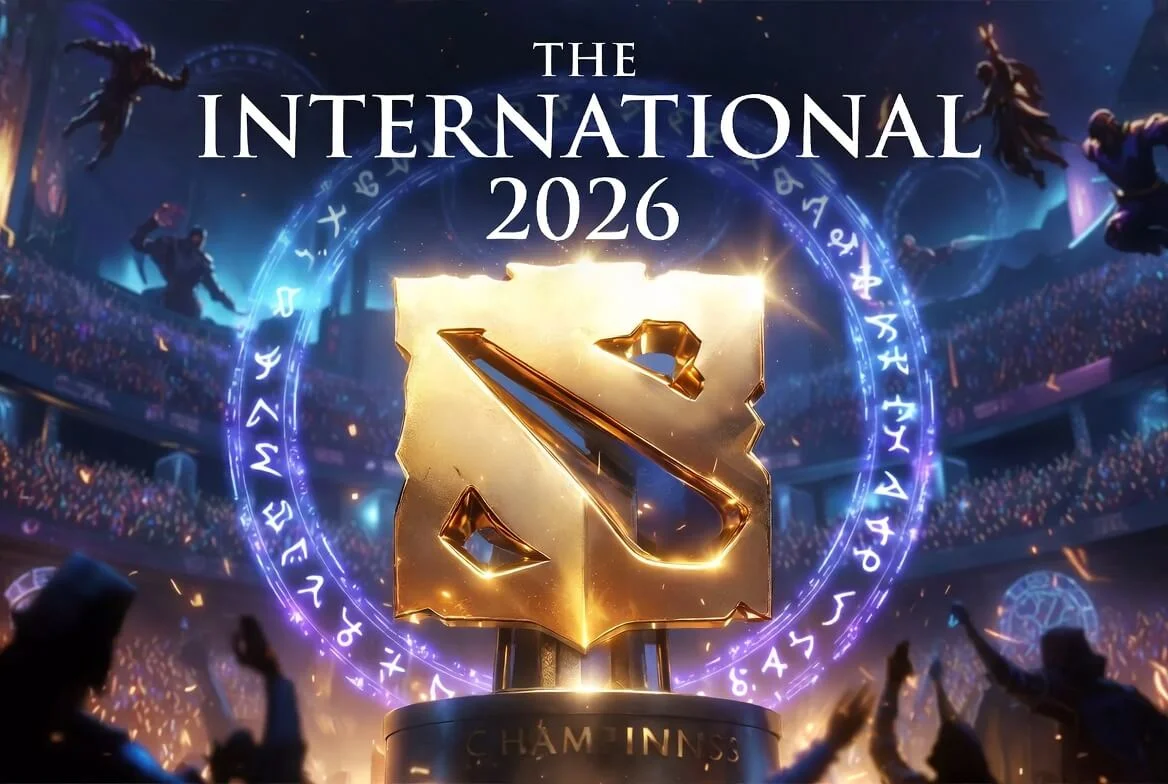
What Dota 2 The International 2026 actually is
For anyone new to the scene, this is the one Dota 2 tournament that the whole competitive calendar bends around. Dota 2 The International 2026 marks the 15th time Valve has crowned a world champion, and the trophy on the line is the same Aegis of Champions that every roster spends the year chasing. Filipino fans who grew up on the game treat the event like a national broadcast, and the Shanghai host slot keeps the action in a kind timezone for viewers here.
The shorthand you will see across forums and brackets is simply TI 2026, and many Pinoy posts also tag it as Dota 2 TI when they are talking schedule or results. Under all of those names sits one championship: a sixteen-team field, a Swiss group stage, and a knockout bracket that decides who lifts the Aegis. Treat every label you meet online as a pointer to the same August event in China.
The Dota 2 TI 2026 format at a glance
The competitive structure is settled even while the field is still filling in. Dota 2 TI 2026 opens with a Swiss-system group stage from 13 to 16 August, where every team plays a run of best-of-three series and gets matched against opponents on a similar record. After a short break, the survivors move into a single-elimination playoff bracket across 20 to 23 August. That is the whole spine of the event, and it does not change regardless of which qualifier teams arrive.
Why does the Swiss part matter so much? It means no team is knocked out by a single bad series early, which keeps underdog stories alive into the weekend. For viewers in the Philippines the group days are the marathon, while the playoff days are the sprint. Our stage-by-stage calendar lays out each block, and the bracket and standings tracker will fill with real results once the games begin.
The road that feeds The International Dota 2 field
Sixteen slots split into two routes. Seven sides receive a direct invite from Valve, and the remaining nine come through five regional qualifiers spread across Europe, China, Southeast Asia, North America and South America. The qualifier picture is the live part of The International Dota 2 build-up right now: South America has already sent LGD Gaming, China has locked in Vici Gaming, and the SEA, North American and European routes are still being decided as of late June.
Southeast Asia carries one slot and a long line of contenders, which is exactly the bracket Pinoy fans watch most closely. We keep the confirmed names, the hedged ones and the still-open regions separated on the qualifiers page so nobody reads a rumour as a result. Until those brackets close, the safest assumption is that the final attendee list is not yet complete.
Money, bundles and where Dota 2 TI sits financially
The confirmed base prize pool is 1,600,000 USD, and Valve has not announced any crowdfunded top-up at the time of writing. In peak years Dota 2 TI pools ballooned past forty million dollars through in-client purchases, so the headline figure could grow if a battle pass or compendium appears, but no such number is official yet. We track only what is confirmed and flag the rest as pending on the prize pool breakdown.
Cosmetic spending is the other thing returning fans ask about. The International 2026 supporter bundles have not been detailed by Valve, so any list of contents floating around is guesswork. If the supporter bundles return in the shape past editions used, expect team-themed cosmetics and event currency, but we will only describe them once the official store goes live. No invented bundle prices appear here.
Seven invited rosters plus nine qualifier teams make up the bracket. The invite list leans European, with a Chinese seed among them, while the SEA slot is the one Filipino crowds rally behind. Check the teams and rosters rundown for the confirmed names and the hedged ones, because a few lineups are still being finalised.
The whole event runs on free official Dota 2 broadcast channels, with an English main feed plus regional streams and the in-client viewer. There is no paywall and no subscription. Our live-stream guide explains the channel options and how the timezone lines up for a Manila evening.
If you plan to wager on series, do it analytically and within a set budget. Odds open closer to the event and shift with every roster update. The predictions and odds guide covers how markets work and names SpinBetter as the sportsbook we point readers to, with a welcome package up to 500 USD.

Why Filipino fans should care about TI 2026 Shanghai
The host city decides how comfortable the viewing experience is, and TI 2026 Shanghai is about as friendly as it gets for this part of the world. China Standard Time matches the Philippines hour for hour, so a series that starts mid-afternoon there starts mid-afternoon here, and the late grand-final sessions land in a normal Manila evening rather than at three in the morning. Southeast Asian Dota has produced finalists before, and a home-region qualifier keeps that hope alive.
Beyond the convenience, the venue at the Oriental Sports Center gives the event a proper arena backdrop that suits a milestone fifteenth edition. Whether you follow for the drafts, the upsets or the sheer spectacle, this is the rare global final that respects a Filipino viewer's clock. Bookmark the hub, pick the pages that matter to you, and check back as the qualifier brackets settle.